
How Much Does It Cost to Sell a Home in Eagle, Idaho?
best real estate agent Elizabeth Hume September 15, 2026
best real estate agent Elizabeth Hume September 15, 2026
When homeowners ask me how much it costs to sell a house, they're often thinking about the expenses they'll see on the closing statement.
Those certainly matter.
But the cost of selling a home can begin weeks—or even months—before closing day.
There may be costs to prepare the property, expenses associated with marketing it, costs negotiated during the transaction, closing-related expenses and, finally, the cost of actually moving.
And there's another cost that's harder to put on a spreadsheet:
Your time.
Understanding the different pieces before you list your Eagle, Idaho home can help you make better decisions about what to spend, what not to spend—and sometimes whether selling makes sense at all.
Before we talk about signs, photographs or offers, we need to look at the property the way a buyer might.
That doesn't necessarily mean remodeling it.
It does mean looking at the home with a critical eye.
You may need professional cleaning, carpet cleaning, window cleaning or yard work. Maybe a room needs fresh paint. Perhaps you need to replace burned-out lightbulbs, repair a cracked window or finally finish one of those little projects you've learned to live with.
Sometimes the expenses are surprisingly ordinary:
Moving boxes. Packing supplies. A storage unit. A new shower curtain. A few flowers by the front door.
None of those things individually sounds like a major real estate expense. Together, they can add up.
And then there's the time required to do all of it.
One strategy I like is to start moving before moving day.
Pack the things you aren't using. Clear out closets. Remove excess furniture and belongings. Put items into storage if necessary.
Then clean as you go.
I often prefer that approach to waiting until the end and trying to tackle one enormous cleaning project.
It also accomplishes something important for showing the home:
Buyers can see the house instead of all the stuff inside the house.
Closets feel larger. Countertops become visible. Rooms are easier to understand.
You're going to pack eventually anyway. Starting earlier can make the property easier to market in the meantime.
Maybe.
But I don't automatically recommend spending thousands of dollars updating a house simply because you're getting ready to sell it.
A professional stager may help identify relatively small changes that could make a significant visual difference. Sometimes fresh paint, different furniture placement, new bedding or a minor cosmetic change is worthwhile.
Other times, the money might be more useful somewhere else in the transaction.
Before spending $10,000 because you think buyers will want something changed, I'd rather talk about the market, your likely buyer and what you're trying to accomplish.
The goal isn't to spend money everywhere. It's to spend it where it matters.
This is an area consumers don't always see.
Putting a home on the market isn't simply entering an address and price into the MLS.
Depending on the property and marketing plan, there may be professional photography, video, 3D or Matterport tours, floor plans, signs, printed materials, digital marketing, lockboxes and other services.
There is also time involved in coordinating all of it.
Your real estate agent may include many of these services as part of their listing package. Other agents and brokerages may structure their services differently.
That's something worth asking when you're interviewing agents.
Don't just ask what someone charges.
Ask:
“What's included in the way you prepare and market my home?”
One of the first questions sellers often ask me is:
“What do you charge?”
It's an important question.
But I think there's a second question that matters just as much:
“What do I get for that?”
There isn't one standard commission or fee that every real estate professional charges. Brokerages and real estate professionals operate independently, compensation is negotiable, and business models and services vary.
That's important for consumers to understand.
Real estate professionals also have to comply with antitrust laws. Competitors can't get together and decide what consumers should be charged. You shouldn't assume there's a “standard” commission you're required to pay.
Instead, the compensation conversation is between you and the real estate professional you're considering hiring.
So yes, ask what an agent charges.
But also ask what is included.
What is the marketing strategy? Are professional photographs included? What other marketing will be used? How will showings and feedback be handled? How will your agent communicate with you? What experience do they bring to pricing, negotiation and problem-solving? Are there services that could cost you additional money?
Don't compare the number without comparing what you're receiving for the money.
Now the house has to stay ready.
Beds made. Counters cleared. Dishes put away. Floors clean. Pet arrangements handled.
Sometimes you may need to leave your home on fairly short notice so someone else can walk through it.
That's not necessarily a line item on a closing statement.
But it's absolutely a cost of selling.
It costs time, convenience and sometimes quite a bit of patience.
This is one I really want sellers to understand.
Sometimes we focus so much on the expenses associated with putting a home on the market that we forget about the expense of staying on the market.
If you have a mortgage, additional time may mean additional mortgage payments and interest. You're also continuing to own and maintain the property, with utilities and other carrying expenses.
And the home still needs to be kept ready for buyers.
That doesn't mean every home that takes longer to sell was priced incorrectly. Some homes simply take longer to find the right buyer. Market conditions, price range, property type and the size of the potential buyer pool all matter.
But pricing is absolutely part of the cost conversation.
If testing a higher price could mean carrying the home for additional months, you deserve to understand that possibility when you're deciding on a strategy.
The highest list price isn't necessarily the strategy that produces the best outcome.
Then an offer arrives.
It's tempting to look immediately at the purchase price.
But an offer is a collection of numbers and terms.
What expenses is the buyer asking the seller to pay? Are there concessions? What does the financing look like? Are there other negotiated costs? What will you actually receive after the transaction is completed?
A higher-priced offer doesn't necessarily mean the seller walks away with more money.
This is where I like to prepare a seller net sheet so we're evaluating the offer using real numbers rather than focusing on one exciting number at the top of the page.
Ideally, we don't wait for an offer to begin thinking about your net.
If you have a mortgage, what is the approximate payoff?
What property-related expenses may need to be accounted for?
Are there HOA-related fees or assessments that may affect the transaction?
What transaction and closing-related expenses are anticipated?
The exact costs depend on the property, contract and transaction.
But the goal is simple:
Don't wait until closing to discover what selling your home actually nets you.
Once you're under contract, another round of potential expenses can appear.
A buyer's inspection may identify items they want addressed.
They might ask you to repair something, request that a professional complete the work or negotiate some form of financial concession.
That doesn't mean you automatically have to agree to everything a buyer requests. What happens next depends on the contract and the negotiation.
But sellers should understand before listing that inspection negotiations can have financial consequences.
Depending on the buyer's financing and the property, an appraisal can potentially introduce additional issues.
There may be property conditions that need to be addressed in connection with the buyer's loan.
Or the appraised value may create a different negotiation altogether.
Not every transaction encounters these issues.
The point is simply to leave some room in your plan for the possibility that something may change between accepting the offer and getting to closing.
You sold the house!
Now you have to get out of it.
Will you hire professional movers? Rent a truck? Buy more packing materials? Need temporary storage? Have a gap between selling this home and moving into the next one?
Are you moving across Eagle—or across the country?
The cost can vary dramatically, but moving belongs in the overall conversation about what selling your home will cost.
I don't want sellers spending every available dollar getting their home ready for market.
Something unexpected may happen.
An inspection may uncover an issue. Something may break while the property is listed. A buyer may request something you decide is reasonable. Moving may cost more than anticipated.
Or the best use of some of your available money may ultimately be in negotiating the transaction rather than changing the house before you list it.
Leave yourself some breathing room.
There's one more possible outcome of this conversation that sellers should know about.
Sometimes we run the numbers and selling doesn't make sense right now.
We may look at what the current market suggests your home could sell for, your approximate mortgage payoff, the anticipated costs of selling, what you may need to spend preparing the property and where you're planning to go next.
And after putting all of that together, you may decide:
“This isn't the right time for me to sell.”
That's a perfectly reasonable outcome.
The question isn't simply whether I can sell your home.
The better question is whether selling your home helps you accomplish what you're trying to do.
Maybe you need more equity before making the next move. Maybe the cost of buying your next home changes the calculation. Maybe waiting makes more sense. Or perhaps we need to reconsider how much money should be put into the property before selling.
That's why I think this financial conversation should happen before the house goes on the market.
A good real estate conversation shouldn't begin with:
“How quickly can we get the sign in the yard?”
It should begin with:
“What are you trying to accomplish—and do the numbers help you get there?”
I wish there were one number I could give every seller.
There isn't.
A newer, well-maintained home that's already beautifully presented may require very little preparation. Another property may need cleaning, repairs, landscaping, staging or other work before it's ready.
One transaction may sail through inspection and appraisal. Another may involve additional negotiations and expenses.
That's why I think sellers should work through four questions:
What might my home sell for?
What will it cost me to sell?
What am I likely to net?
And does selling actually help me accomplish what I want to do next?
That last question may be the most important one.
If you're considering selling in Eagle or the Treasure Valley, we can walk through the property, talk about what—if anything—I would recommend doing before listing, discuss pricing and marketing, and look at the numbers together.
You don't necessarily need to spend money everywhere.
And you don't necessarily need to sell just because you're considering it.
The goal is to understand your options, spend thoughtfully and make a decision that makes sense for what comes next.
Elizabeth Hume
Associate Broker | Eagle & Treasure Valley, Idaho
Stay up to date on the latest real estate trends.
best real estate agent
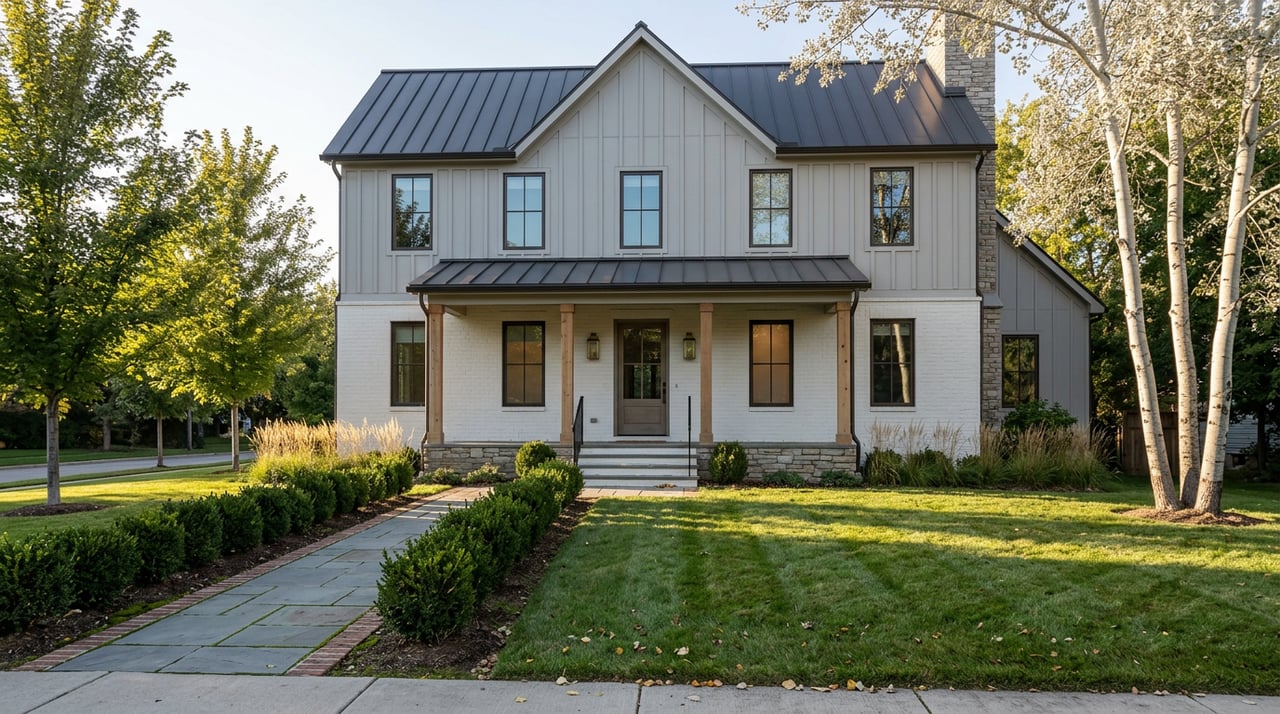
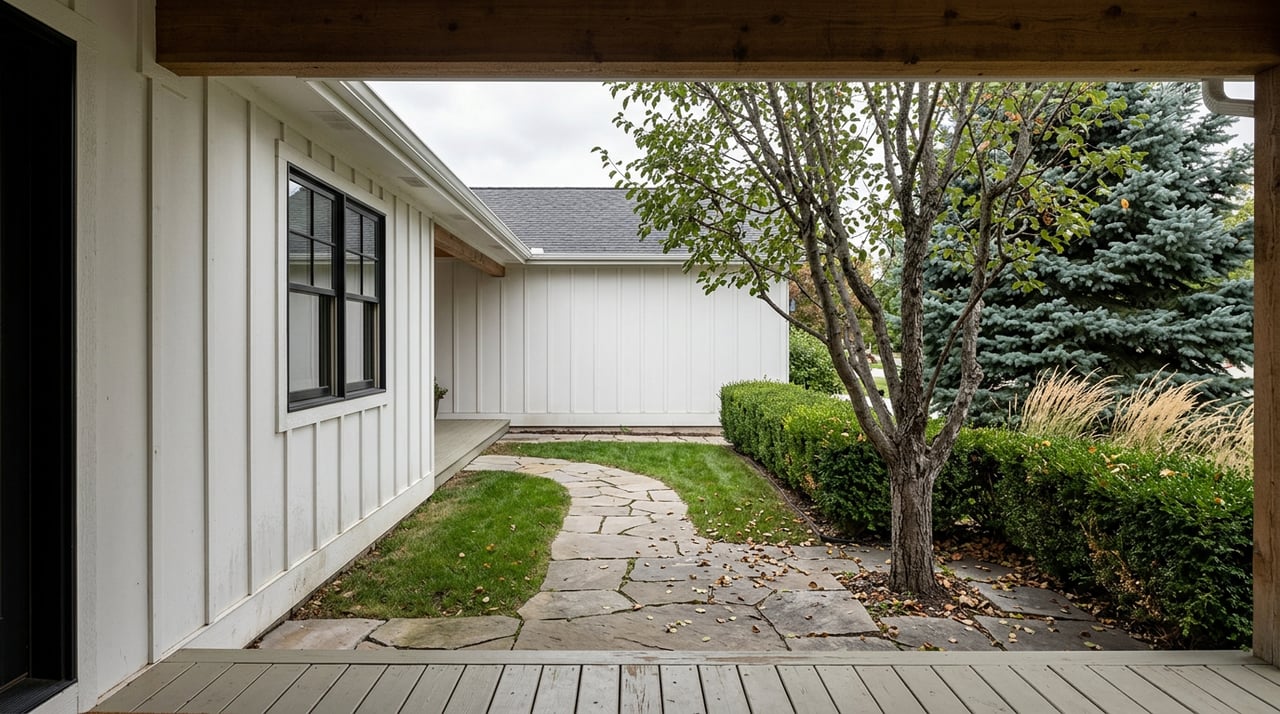
From preparing your home to agent compensation, carrying costs and moving, selling a home involves more than the expenses you see at closing.

best real estate agent
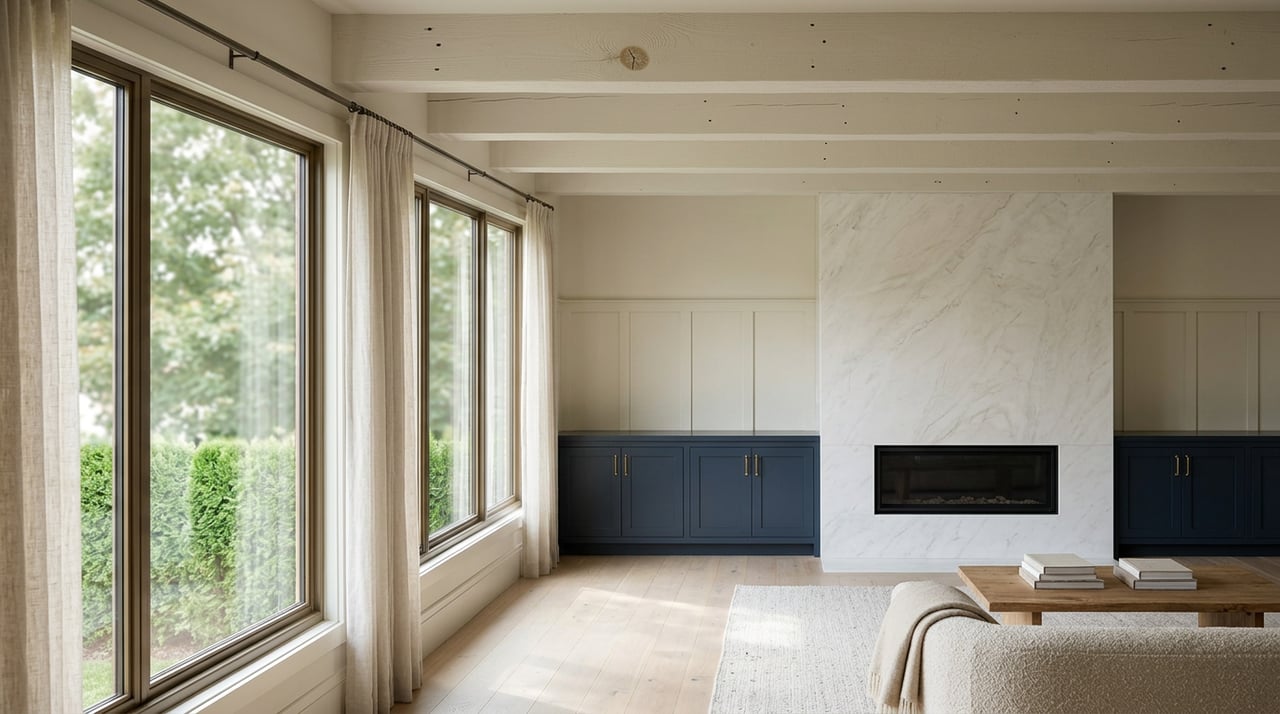
Local knowledge and relationships can be valuable—but “local” doesn't automatically mean “best.”


best real estate agent
Before you remodel, replace or spend $10,000 getting your home ready to sell, figure out what today's buyers will actually notice—and value.
eagle agent
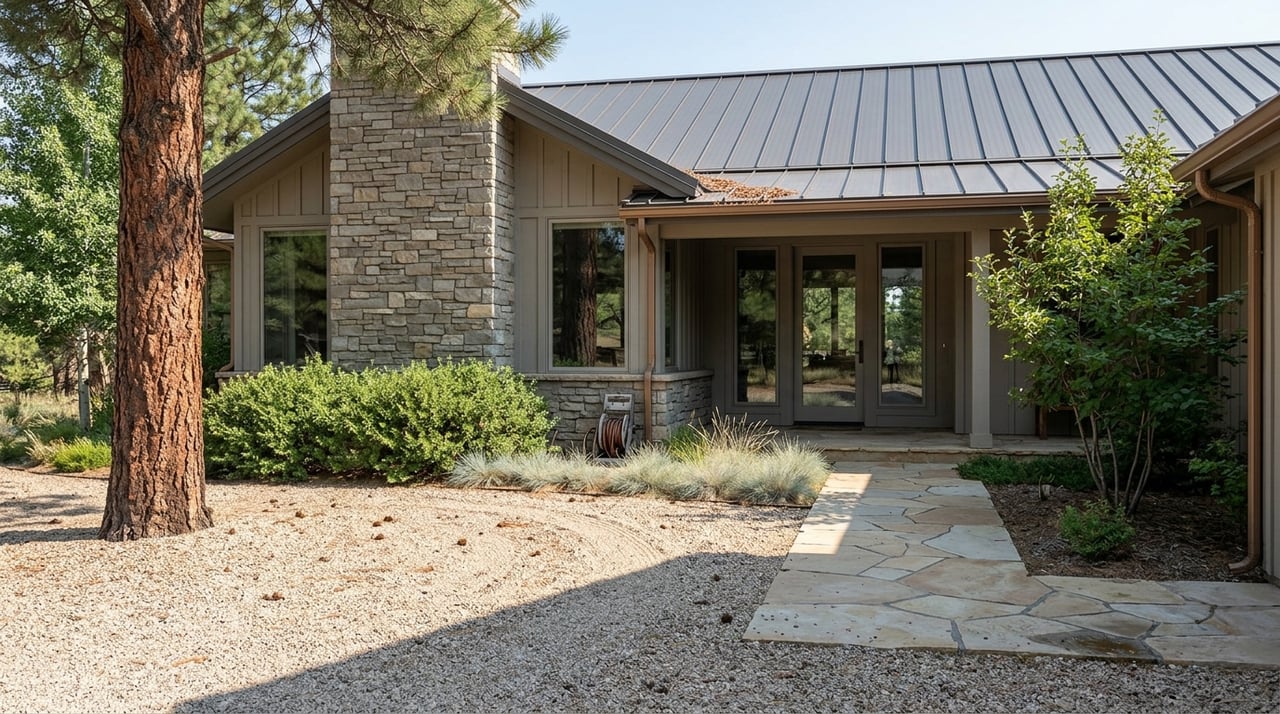
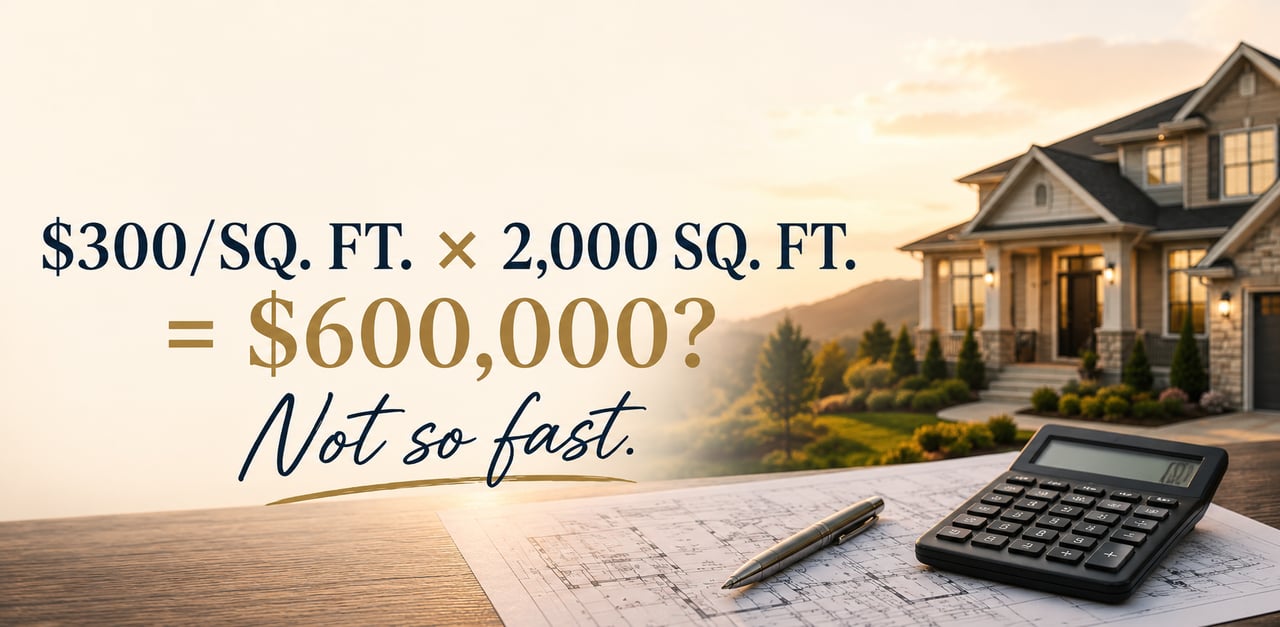
Price per square foot can be a useful starting point—but your home is more than a math equation.
Experience luxury real estate guided by over 20 years of expertise, strategic insight, and unwavering integrity. Every transaction is handled with personalized attention, skilled advocacy, and a commitment to achieving your goals.

Elizabeth Hume
[email protected]
208.860.5451
License #AB30910
2025 E Riverside Dr Ste 260 Eagle, ID 83616