The Trolley House Waited Four Years for One Phone Call
September 17, 2026
September 17, 2026
For four years, anyone who walked, ran, or biked the Greenbelt past 1821 Warm Springs Avenue saw the same thing: a hand-lettered sign reading "in construction" taped to the window of a building that never seemed to construct anything. The Trolley House sat closed the entire time, a fixture of the East End since it started life as the end of the line for Boise's streetcar system in the 1920s, then spent nearly half a century as a family-run diner known for its oversized pancakes and its regulars. Longtime East End resident Margo Anneke used to stop in after Greenbelt walks. She wasn't alone. That's exactly why the silence mattered.
The building is finally changing hands and changing course, and the story of how it got there says more about how the East End actually redevelops than any list of new restaurant openings could.
The Trolley House closed in 2022, when Stephen Barbey bought the property from its longtime owner and operator. Barbey had a plan: refresh the menu, keep the historic exterior intact, and reopen by spring 2024. Spring 2024 came and went with construction still unstarted. Boise permit records showed the project stalled, and Barbey's architect asked the city for an extension that August, citing rising labor and material costs. A second extension followed, set to expire in March 2025.
Part of the delay was arithmetic. Barbey had bought the Trolley House at roughly the same time he purchased Highlands Hollow in the North End, and with two historic properties competing for the same attention and the same budget, the Hollow won. By his own account, the Trolley House kept slipping down the list.
That's the part worth sitting with if you live nearby. This wasn't a case of nobody wanting the building. It was a case of the building requiring more patience and more capital than a single owner juggling two projects could give it at once. Historic buildings on Warm Springs don't get rushed back to life by anyone, no matter how good their intentions.
The new owners aren't restaurant people. Amanda "Mandi" Carvalho and her husband, Matt Mahaffey, run Leap Years, a chain of indoor toddler playgrounds with three Treasure Valley locations. Carvalho told local reporters she remembered when the Trolley House first went up for sale years earlier and that she and Mahaffey weren't in a position to buy it then. What changed wasn't the market. It was a walk. On a summer day, she looked up the number for the property and called. She didn't expect anyone to answer. Someone did, and by mid-March 2026, the sale had closed.
That's a different path to reopening than a developer acquiring a distressed asset. It's a neighbor deciding she'd waited long enough and picking up the phone.
Carvalho and Mahaffey describe the concept as a dual-purpose bistro: a daytime café serving coffee and food, transitioning into an evening lounge with wine, cocktails, and small plates. The plan leans hard into the building's age rather than away from it. Vintage Holophane light shades are being retrofitted into pendant fixtures. Plaid wallpaper, warm wood tones, and tile flooring are meant to echo the building's earliest decades. A four-season patio is planned for later, once the core renovation is done.
Before any of the cosmetic work happens, the new owners say they're prioritizing repairs and remediation, the unglamorous work of making sure a century-old building is structurally sound before it's pretty. As of this spring, the target for reopening was late summer or early fall 2026. If you've walked past recently and the doors are still closed, that's consistent with a historic renovation running on its own schedule, not a broken promise. Buildings on the National Register of Historic Places don't reopen on a marketing calendar. They reopen when the work is actually finished.
While the East End waits on one 1920s building, downtown Boise is landing a very different kind of opening on a very different timeline. Dumpling Time, part of the Bay Area's Omakase Restaurant Group, is set to open its first location outside California this fall inside The Warehouse Food Hall in BoDo. It's the kind of national food-hall concept that can drop into an existing space and open in a matter of months, not years, because the building itself isn't the obstacle. The infrastructure is already built. The brand just moves in.
That contrast is the actual story here, not a list of restaurant names. The East End doesn't get openings like Dumpling Time, and it isn't built to. What it gets instead is a diner that took four years, two owners, and one unplanned phone call to bring back, restored piece by piece by people who aren't professional restaurateurs but who cared enough about the building's second act to learn as they went. Both are real signs of a growing food scene. They just run on entirely different clocks, and knowing which clock applies to which part of the city tells you something true about how each neighborhood actually changes.
If you're already planning to swing by Warm Springs to check on the Trolley House's progress, the rest of Boise's fall calendar gives you a few good reasons to make it a full afternoon:
None of these require a reason beyond living here. That's the point of a season like this one. The neighborhood doesn't need an anchor tenant or a grand reopening to feel active. It needs a market Saturday, a garden walk in October, and, eventually, a diner with the lights back on.
If you've lived in the East End for any length of time, you already know this about the neighborhood: it protects its old buildings by making them hard to change quickly. That's frustrating when you're the one waiting four years for pancakes. It's also exactly why Warm Springs Avenue still looks and feels like Warm Springs Avenue, instead of looking like wherever a food hall concept can go up fastest. The Trolley House isn't reopening because East Enders finally got noticed. It's reopening because someone who already lived here decided the wait was over and made the call.
Elizabeth Hume has spent more than two decades watching Treasure Valley neighborhoods change at their own pace, from the historic streets of the East End to the newer corners of the valley still writing their first chapters. If you're weighing a move within Boise or into it and want a read on how a specific neighborhood actually evolves, not just what the median price says, you can find more on the Boise neighborhood page or reach out directly.
Let's Connect with Elizabeth Hume to talk through what a neighborhood like the East End actually offers, beyond what shows up in a listing.
Stay up to date on the latest real estate trends.
best real estate agent
From preparing your home to agent compensation, carrying costs and moving, selling a home involves more than the expenses you see at closing.

best real estate agent
Local knowledge and relationships can be valuable—but “local” doesn't automatically mean “best.”
best real estate agent
Before you remodel, replace or spend $10,000 getting your home ready to sell, figure out what today's buyers will actually notice—and value.
eagle agent
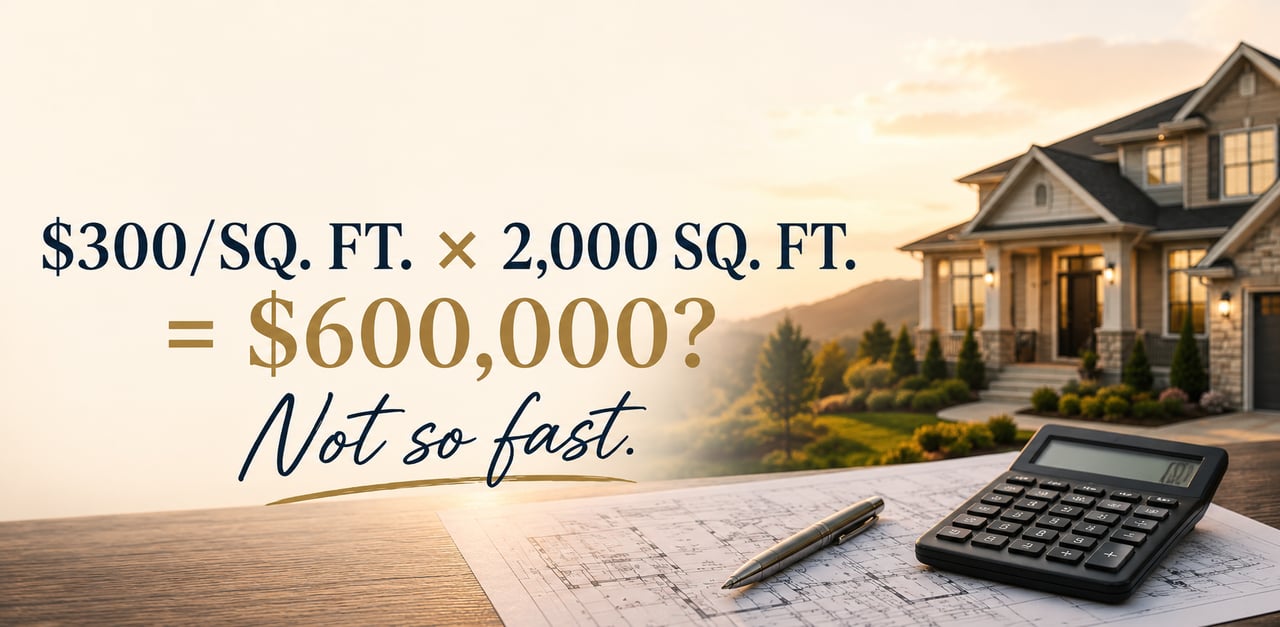
Price per square foot can be a useful starting point—but your home is more than a math equation.
Experience luxury real estate guided by over 20 years of expertise, strategic insight, and unwavering integrity. Every transaction is handled with personalized attention, skilled advocacy, and a commitment to achieving your goals.
Elizabeth Hume
[email protected]
208.860.5451
License #AB30910
2025 E Riverside Dr Ste 260 Eagle, ID 83616