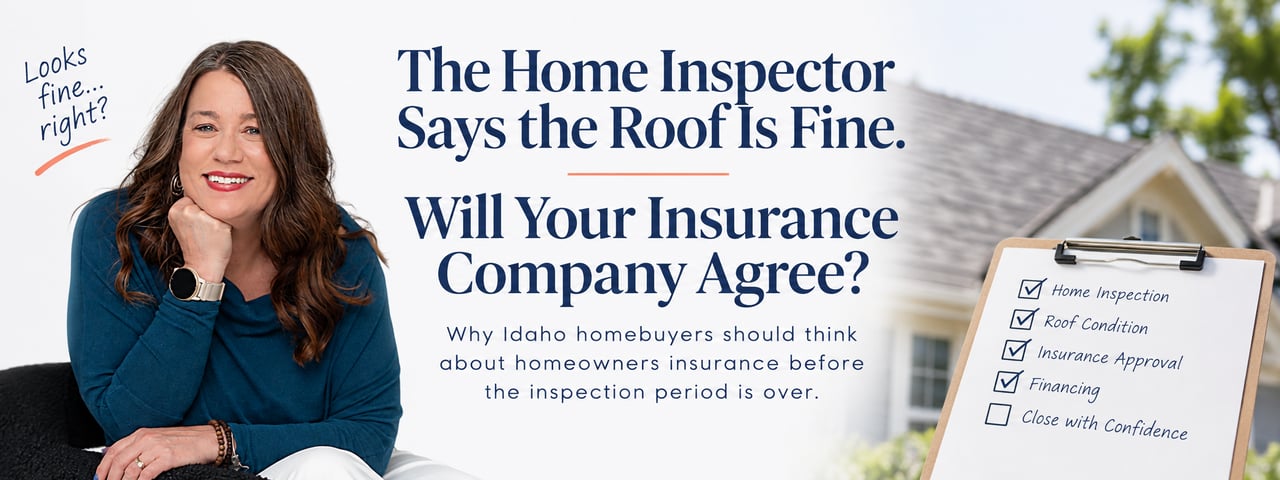
The Home Inspector Says the Roof Is Fine. Will Your Insurance Company Agree?
Elizabeth Hume September 22, 2026
Elizabeth Hume September 22, 2026
For most of my real estate career, homeowners insurance wasn't something I worried much about during the inspection process.
That's changed.
I recently represented buyers purchasing a home with an older roof. We contacted their insurance company several times before closing and specifically asked about the roof. We were told the company wouldn't really evaluate it until after closing.
Then the buyers closed.
After closing, the insurance company determined that the roof needed to be replaced.
I've had another transaction go very differently. Those buyers contacted their insurance professional early, and the insurer was upfront with them during the inspection period that the roof, because of its age, wasn't going to work for that company.
Same basic concern.
Very different timing—and a very different position for the buyer.
Those experiences have changed the way I think about insurance when helping someone buy a home.
Here's where I think buyers—and sometimes those of us in real estate—can get confused.
You have a home inspected.
The inspector doesn't identify a significant problem with the roof.
Perhaps a roofing professional looks at it and believes it still has useful life.
So naturally, you think:
“Great. The roof is fine.”
Maybe.
But there's another question that hasn't necessarily been answered:
Will your insurance company insure it, under what terms, and at what cost?
Those are different questions.
The age and condition of a roof, along with its material and other characteristics, can affect how an insurance company evaluates the property and the coverage it is willing to provide.
This is probably the most important thing I want buyers to understand.
Your home inspector, roofing professional and insurance company aren't necessarily answering the same question.
A home inspector is evaluating the property's condition within the scope of the inspection and may recommend further evaluation by a specialist.
A roofing professional can provide more specialized information about the roof's condition, repairs or anticipated remaining life.
Your insurance company is evaluating risk and deciding whether it is willing to insure the property, what coverage it will offer and what it will charge.
So it is possible to hear:
Home inspector: “I don't see a significant current problem.”
Roofing professional: “This roof may still have useful life.”
Insurance company: “We aren't willing to insure this property with that roof.”
Those statements don't necessarily contradict one another.
They're answering different questions.
This is another phrase I hear that can create a false sense of certainty.
A homeowner may have purchased what was described as a 30-year roofing product and understandably expect that to mean the roof will be acceptable for 30 years.
Unfortunately, a label or expected product life isn't a guarantee of how an insurer will view that roof years later.
Roofing is exposed to weather every day. Heat, cold, wind, hail, maintenance, installation, materials and other factors can affect its condition over time.
Insurance underwriting can also vary from company to company. The Insurance Information Institute notes that insurers may consider a roof's age, condition, material and shape, and older roofs can face additional inspection or coverage considerations.
So I would never tell a buyer:
“It's a 30-year roof, and it's only 20 years old, so you're fine.”
We need to ask the insurance company.
This is where the conversation becomes particularly important for a buyer using a mortgage.
Mortgage lenders generally require homeowners insurance. The Consumer Financial Protection Bureau advises buyers to shop for homeowners insurance during the closing process and share their insurance quotes with their loan officer to make sure the coverage meets the lender's requirements.
That creates an important chain:
A roof concern can become an insurance concern.
An insurance concern can potentially become a financing concern.
If your lender requires homeowners insurance and you can't obtain acceptable coverage for the property, that's something you need to know before closing, not after you've been handed the keys.
Choosing the right lender is another important part of building your homebuying team. If you're comparing financing options, I've also written about whether you should use a local lender when buying a home in Eagle, Idaho.
This is one of the biggest ways my advice to buyers has changed.
I used to think of homeowners insurance as one more item buyers handled on their way to closing.
Today, I'm paying attention much earlier—especially when something about the property gives me a reason to ask questions.
If the roof is older, I want my buyer talking with an insurance professional.
If the property has characteristics that could affect insurability or cost, I want them asking questions.
And I want them doing it early enough that they have time to understand their options.
The CFPB recommends contacting several insurance companies, getting quotes in writing, comparing coverage and cost, and then confirming with the lender that the coverage meets its requirements.
If you're already happy with the company that insures your car or other property, that can be a reasonable place to start.
But it doesn't have to be the only call you make.
Different insurance companies have different underwriting standards, products and pricing.
One insurer's answer about a particular property may not necessarily be another insurer's answer.
And price matters, too.
The question isn't only:
“Can I get homeowners insurance?”
It is also:
“What will it cost, what does it cover, and does that change how affordable this home is for me?”
The Idaho Department of Insurance notes that a home's characteristics and location can affect premiums, including roof type, age of the home and exposure to natural disasters.
This isn't just about roofs.
The cost of insurance has been affected by broader factors, including severe weather events and increasing construction and repair costs. The National Association of Insurance Commissioners identifies extreme weather, labor and material costs, inflation and reinsurance costs among factors that can contribute to rising premiums.
And Idaho is paying attention to its property-insurance market. In 2026, the Idaho Department of Insurance issued a mandatory statewide data call to insurers writing homeowners and dwelling-fire insurance in the state, following a similar effort in 2025.
For buyers, that means insurance deserves a place in the affordability conversation.
You may be financially comfortable with the mortgage payment but discover that the cost of insuring a particular property changes the numbers.
That's something I'd rather know before you buy it.
Don't panic just because the roof isn't new.
An older roof doesn't automatically mean you shouldn't buy the house.
Instead, ask more questions.
Have the home professionally inspected. If appropriate, consider further evaluation of the roof by a qualified roofing professional.
Then talk directly with your insurance professional.
Tell them what you know about the roof. Ask whether its age or condition creates an underwriting concern. Ask whether they need additional documentation or an inspection. Ask what coverage they're offering and what the premium and deductible will be.
And if you're financing the purchase, make sure your lender has what it needs regarding the insurance coverage.
Don't assume one professional's answer automatically answers the question for everyone else involved in the transaction.
This is another part of due diligence that buyers sometimes overlook.
Finding out that a roof may need to be replaced doesn't automatically kill a transaction.
It gives you information.
Depending on the circumstances and the contract, there may be conversations to have about the property, the roof, the insurance options and the economics of the purchase.
But you may also decide:
“This isn't the house for me.”
Perhaps the anticipated cost of ownership is now different than you expected.
That's what due diligence is supposed to help you discover.
The goal isn't to find a house with absolutely no problems.
The goal is to understand what you're buying well enough to decide whether you still want to buy it.
For much of my career, I didn't spend a lot of time worrying about homeowners insurance during a buyer's inspection period.
Now I do.
That doesn't make me an insurance professional. I'm not one, and your questions about coverage, underwriting and premiums belong with a licensed insurance professional.
But as a real estate agent, I've learned to recognize when another question needs to be asked.
The home inspector may tell us something about the condition of the house.
A roofing professional may tell us something more about the roof.
The insurance professional tells you whether their company is willing to insure the risk and on what terms.
And your lender tells you whether the insurance satisfies the requirements of your financing.
Those are four different conversations.
A thoughtful home purchase sometimes requires all four.
And if you're on the other side of the transaction, an aging roof is one of the property conditions worth discussing with your agent before putting your home on the market.
Buying a home involves more than finding one you love and negotiating the price.
My job is also to help you think about the questions you may not know to ask yet—and to help you identify the right professionals when an answer falls outside my expertise.
If you're considering buying a home in Eagle, Boise or elsewhere in the Treasure Valley, I'm happy to help you understand the process one step at a time.
Elizabeth Hume
Associate Broker | Eagle & Treasure Valley, Idaho
Stay up to date on the latest real estate trends.
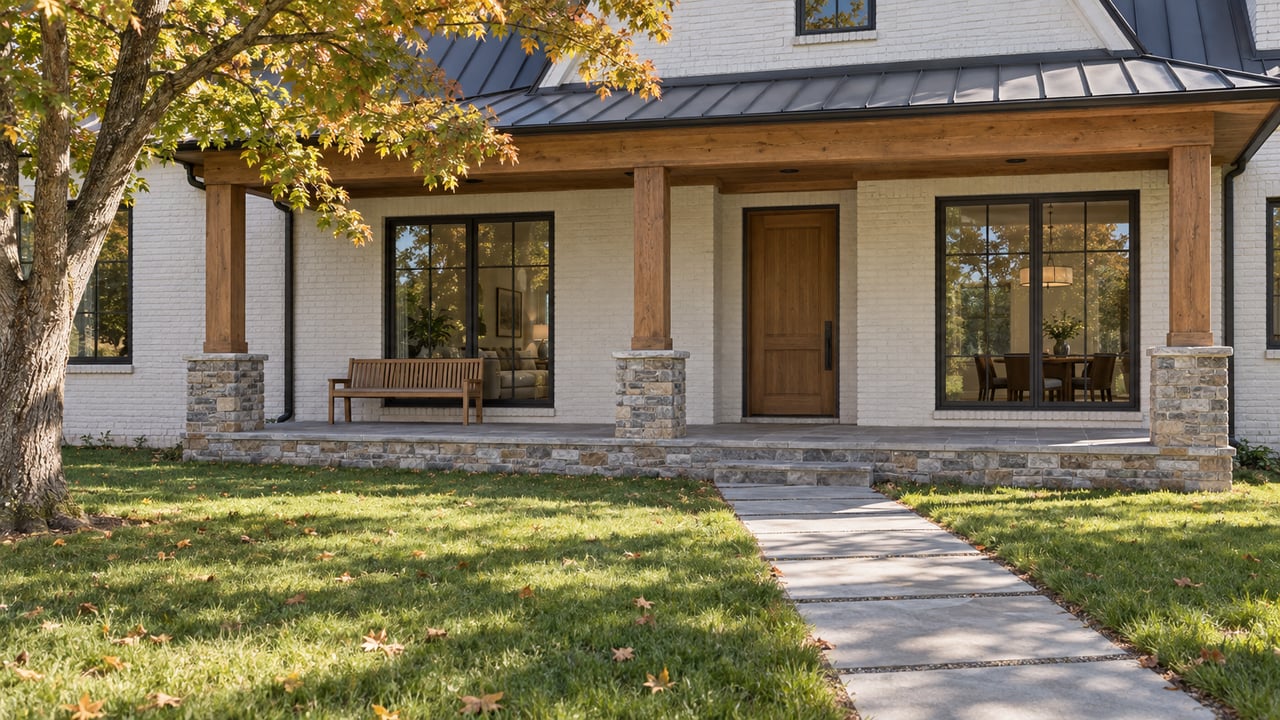
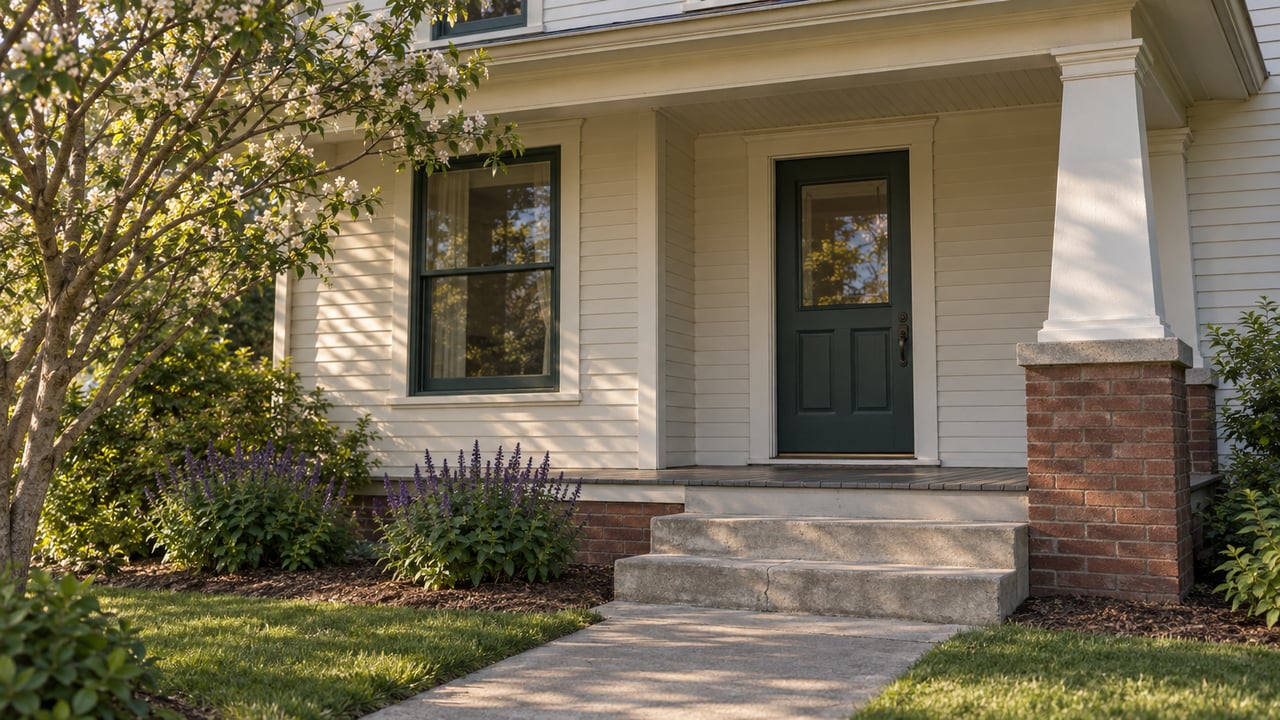
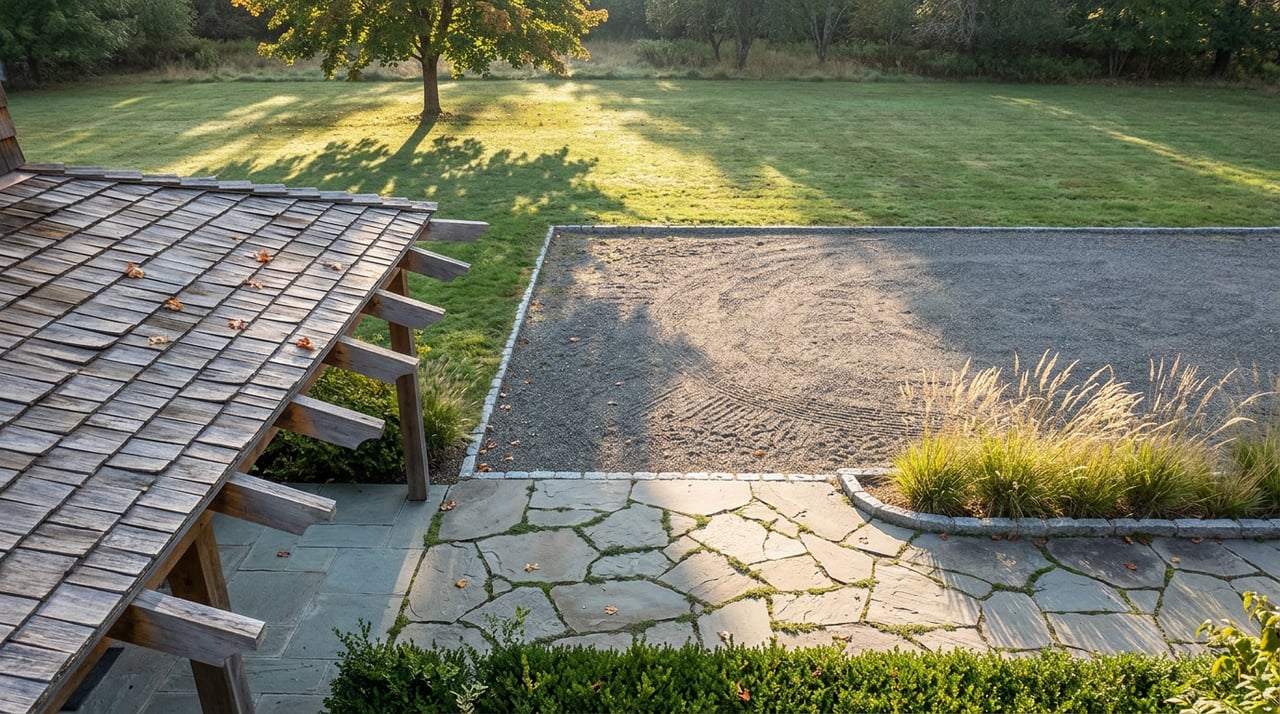
Why Idaho homebuyers should think about homeowners insurance before the inspection period is over.
Experience luxury real estate guided by over 20 years of expertise, strategic insight, and unwavering integrity. Every transaction is handled with personalized attention, skilled advocacy, and a commitment to achieving your goals.
Elizabeth Hume
[email protected]
208.860.5451
License #AB30910
2025 E Riverside Dr Ste 260 Eagle, ID 83616