
What Should I Fix Before Selling My Eagle, Idaho Home?
best real estate agent Elizabeth Hume August 31, 2026
best real estate agent Elizabeth Hume August 31, 2026
One of the best calls I can get from someone who's thinking about selling their home is:
“What should we be doing to get the house ready?”
Because my answer isn't automatically going to be: remodel the kitchen, replace the flooring and paint everything.
In fact, sometimes my answer is:
Don't do anything expensive yet. Let me come look first.
If you're planning to sell your Eagle, Idaho home, the goal isn't to make it perfect.
The goal is to determine which things will affect a buyer's perception of the home, which improvements could make a meaningful difference, and which projects probably aren't worth your money.
And I start evaluating that before I ever walk through the front door.
When I arrive at a property, I'm looking at it the way I expect a buyer will.
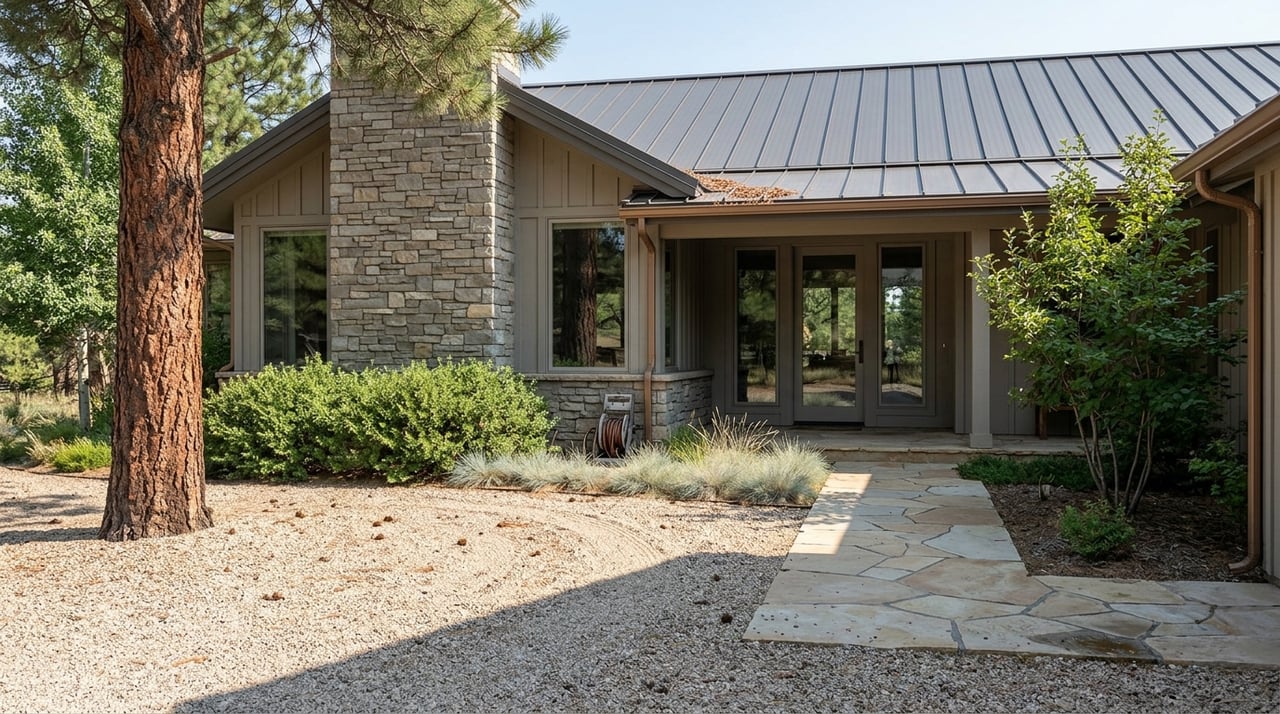
Are there weeds?
Is the walkway clear?
Are the bushes overgrown?
How does the exterior paint look?
What condition is the trim in, particularly near the bottom of the house where water and weather may have taken a toll?
Are there spider webs around the entry?
What does the front door look like?
Are there signs, notices or other distractions around the entrance?
Then I think about something sellers sometimes forget:
A buyer may spend quite a bit of time standing at your front door.
Their agent is opening the lockbox. Someone may be putting on shoe covers. They're looking around.
That front entrance has time to make an impression.
It doesn't have to be elaborate. Clean it. Sweep it. Remove the spider webs. Touch up what needs attention. A chair and a couple of attractive pillows can make an entrance feel welcoming—and the chair is surprisingly useful for someone trying to put on shoe covers who doesn't want to balance on one leg.
Small things can tell a buyer:
This home has been cared for.
Once we're inside, I'm looking for the things homeowners have learned not to see anymore.
That's normal. You live there.
Your kitchen counter isn't “cluttered.” It's where your coffee maker, toaster, toaster oven, mixer, cookbooks, cooking oils, mail and everything else you use every day happens to live.
But a buyer sees the counter differently.
They may see less counter space.
So before listing, I usually want to simplify.
Clear countertops.
Organize closets.
Reduce excess belongings.
Tidy cabinets.
Remove unnecessary personal items.
And clean the places you don't think anyone will inspect.
Because they will.
I've watched buyers open ovens.
They open refrigerators—even refrigerators that aren't included in the sale.
They open cabinets.
They open closets.
They're trying to understand how much space exists and how the home has been maintained.
I've walked through beautiful, expensive homes and found an inch of dust sitting on a high plant shelf.
Is dust a major defect?
Of course not.
But that's not necessarily what a buyer thinks.
Sometimes something small makes them wonder:
“If this hasn't been cleaned in years, what else haven't they been paying attention to?”
That's why I put so much emphasis on clean, neat and maintained.
The same principle applies to unfinished honey-do projects.
One loose handle isn't going to destroy a sale. Neither is a burned-out lightbulb.
But when buyers encounter one little thing after another, those items can begin telling a story about the condition of the home.
You want the story to be:
These people took care of this house.
This is where sellers can spend a lot of money unnecessarily.
If you're planning to sell soon, I generally don't want you deciding on your own that you need a new kitchen, new flooring or a major renovation before putting the home on the market.
You should live in your home the way you love it while it's your home.
But as you get closer to selling—whether that's next year or a few years away—the question changes.
Now we're asking:
If I spend this money, will today's buyer value what I'm buying?
Trends change.
Buyer preferences change.
Markets change.
Something that seemed essential several years ago may not be where I'd recommend putting your money today.
That's why I'd rather walk through the house with you before you start writing checks.
If a home needs more than cleaning and maintenance, I may recommend bringing in a professional stager before we decide what to change.
That doesn't necessarily mean bringing in a house full of rented furniture.
A good staging consultation can help us identify relatively small changes that may have a large visual impact.
Maybe it's updating the tile around a fireplace.
Maybe certain cabinets would benefit from paint.
Maybe one area of carpet is dating the entire house.
Maybe the furniture arrangement isn't showing the room at its best.
Sometimes changing a few strategic things is much smarter than updating everything.
Unless someone is deliberately shopping for a fixer-upper, most buyers want to imagine moving in and living there.
That doesn't mean your home needs to look brand new.
It means we want to remove as many unnecessary distractions as possible.
Fresh, fluffy towels in the bathroom can help.
A clean, simple bedspread and a few substantial pillows can make a bedroom feel completely different.
Touching up paint can help.
Replacing an obviously dated or worn flooring choice in the right situation can help.
Servicing the furnace and air conditioner may provide reassurance that the home's systems have been maintained.
None of those things individually sells a house.
Together, they affect how a buyer experiences it.
I once had a listing with hardwood flooring underneath the carpet.
The carpet was a very recognizable color from an earlier decade, and the sellers were concerned about what condition the hardwood might be in if they removed it.
I understood the concern.
But this was an area where buyers highly valued hardwood floors.
Even if those floors had needed some TLC, exposing them could have dramatically changed the way buyers perceived the house.
The hardwood was already there.
Buyers just couldn't experience it.
That's an important distinction when deciding what to do before selling.
Sometimes preparing a home isn't about adding something.
It's about making sure buyers can see the value that's already there.
The same evaluation continues outside.
Clean the patio.
Pick up after pets.
Look for bare or neglected areas in the lawn.
Trim overgrown plants and bushes.
Look at—and smell—the areas around the patio and entrances.
Yes, smell.
Homeowners can become accustomed to the normal smells of their homes, pets, yards and even certain plants. Buyers haven't.
You want to experience the property as closely as possible to the way someone encountering it for the first time will.
This is where I want you to stop before assuming the answer is:
“Put $10,000 into the house.”
Maybe that's exactly what we should do.
Perhaps new flooring, paint, landscaping or a few targeted updates could dramatically improve the home's presentation and marketability.
But maybe not.
Depending on the home and the current real estate market, that same $10,000 could potentially be more useful as part of a negotiation or buyer incentive—for example, helping address a buyer's financing costs—than putting it into an improvement the eventual buyer may not particularly value.
That's why I don't think the right question is:
“What can I fix for $10,000?”
The better question is:
“What's the best use of $10,000 to help me accomplish my goal?”
Those are very different conversations.
When I'm walking through an Eagle home with a seller, I'm essentially putting things into four categories:
Repair it.
It's broken, unfinished or creating the impression that the home hasn't been maintained.
Replace it.
It's worn or dated enough that it's distracting buyers from the rest of the property, and replacing it makes financial sense.
Improve it.
A strategic change could noticeably improve how the home shows or competes with similar properties.
Leave it alone.
The money is unlikely to come back to you, the buyer may prefer to make their own choice, or there may be a better use for those dollars.
That fourth category is important.
Preparing a home to sell isn't a contest to see how much money you can spend before putting up the sign.
One of the hardest things about preparing your own home for sale is that you've been living in it.
You don't notice the countertop anymore.
You don't see the weeds you walk past every day.
You may not smell what a first-time visitor smells.
You know why that little project never got finished.
A buyer doesn't have that context.
That's why one of the best things you can do before spending money is have someone walk through the property with fresh eyes.
If you're thinking about selling your Eagle, Idaho home, call your real estate agent before starting a major project.
Let's look at the house.
Let's look at the market.
Let's talk about today's buyers.
And then let's decide where your time and money will actually make a difference.
The goal isn't a perfect house. It's a well-prepared house—and a strategy that makes sense for you.
Elizabeth Hume
Associate Broker | Eagle & Treasure Valley, Idaho
Stay up to date on the latest real estate trends.

best real estate agent
From preparing your home to agent compensation, carrying costs and moving, selling a home involves more than the expenses you see at closing.

best real estate agent
Local knowledge and relationships can be valuable—but “local” doesn't automatically mean “best.”
best real estate agent
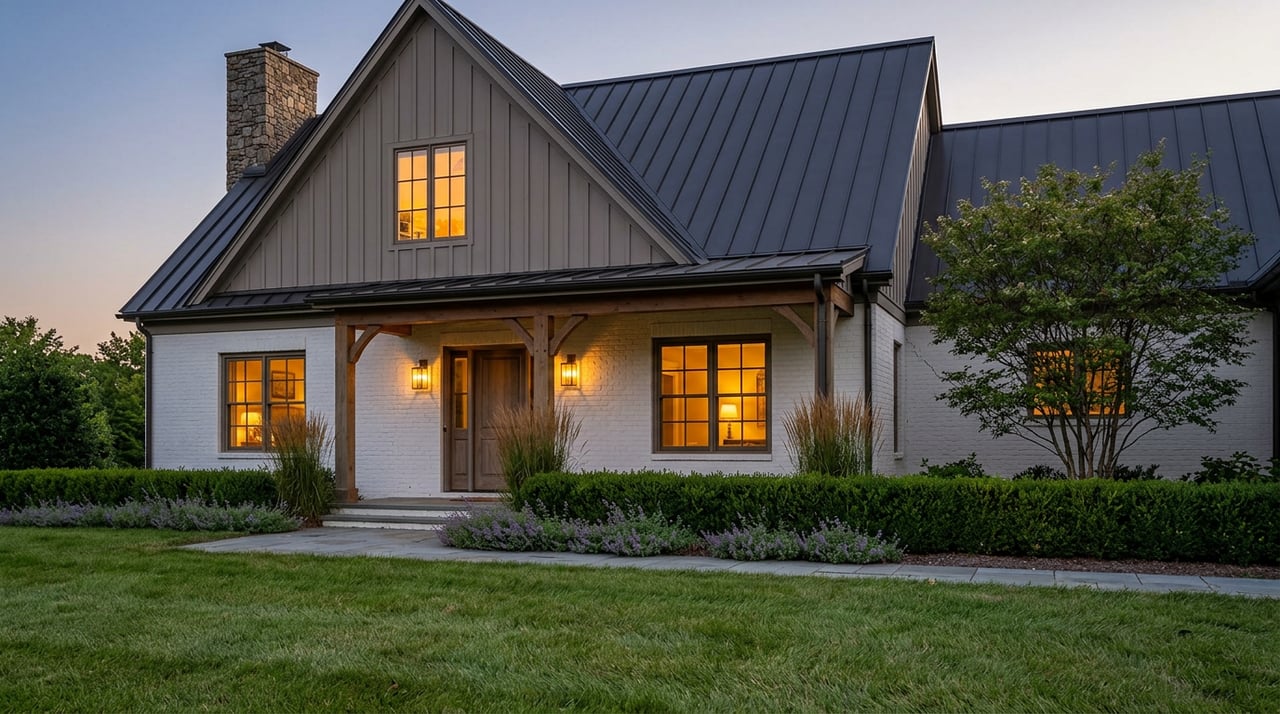
Before you remodel, replace or spend $10,000 getting your home ready to sell, figure out what today's buyers will actually notice—and value.

eagle agent
Price per square foot can be a useful starting point—but your home is more than a math equation.
Experience luxury real estate guided by over 20 years of expertise, strategic insight, and unwavering integrity. Every transaction is handled with personalized attention, skilled advocacy, and a commitment to achieving your goals.

Elizabeth Hume
[email protected]
208.860.5451
License #AB30910
2025 E Riverside Dr Ste 260 Eagle, ID 83616